Ich kann mich eines Eigentums nicht nur (§ 65) als einer äußerlichen Sache entäußern, sondern muß durch den Begriff mich desselben als Eigentums entäußern, damit mir mein Wille, als daseiend, gegenständlich sei. Aber nach diesem Momente ist mein Wille als entäußerter zugleich ein anderer. Dies somit, worin diese Notwendigkeit des Begriffes reell ist, ist die Einheit unterschiedener Willen, in der also ihre Unterschiedenheit und Eigentümlichkeit sich aufgibt. Aber in dieser Identität ihres Willens ist (auf dieser Stufe) ebenso dies enthalten, daß jeder ein mit dem anderen nicht identischer, für sich eigentümlicher Wille sei und bleibe.
grundlinien.de
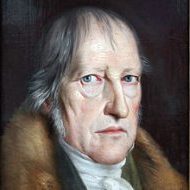
G.W.F. Hegel – "Grundlinien der Philosophie des Rechts"
